Dark Studio for a Single Object
One lit device against black is the standard look for device marketing. It is one of the five fixed styles, so you do not have to describe your way to it.
Show how the device works and where it sits in the body. Describe the mechanism, pick a studio or a cutaway look, and get a short video with narration and captions.
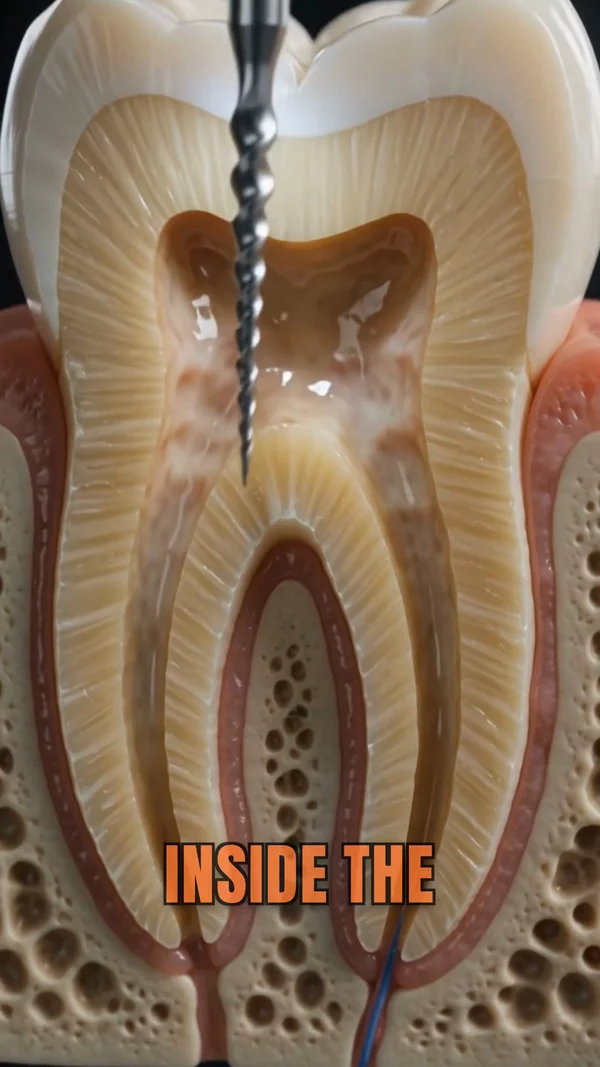
Sample video. Your result will vary based on the style, voice, and settings you choose.
Every one of these was generated from a single prompt. No camera, no editing.
No editing skills. No complex software. Just describe what you want.
Name the device or the compound, the site in the body, and the steps you want on screen. Say who is watching: a clinician, a buyer, or a patient.
The platform writes the script, renders the device and the surrounding tissue, records the narration, and syncs the captions.
Regulatory and medical affairs review the claims. Then generate the sales, congress, and training cuts from the same description.
The same subject in every style. Pick one and the create form opens on it. A sixth option, Auto, takes its look from your prompt.
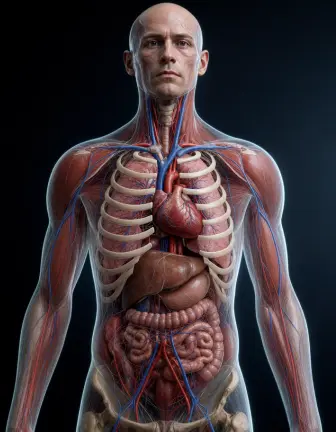 Realistic 3D The textbook render. Best for procedures and organ close-ups.
 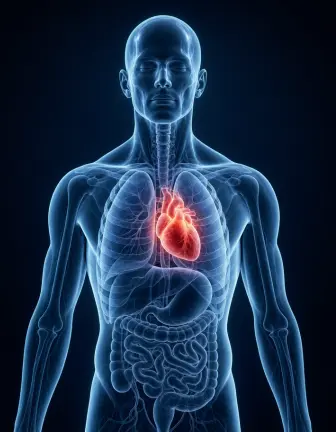 Translucent Body A see-through body with the organs glowing inside. Best for whole-body flows.
 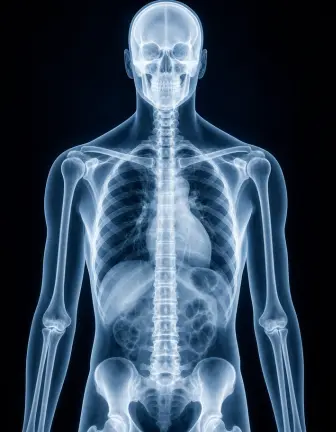 X-Ray Bone-first, high contrast. Best for joints, fractures, and skeletal motion.
 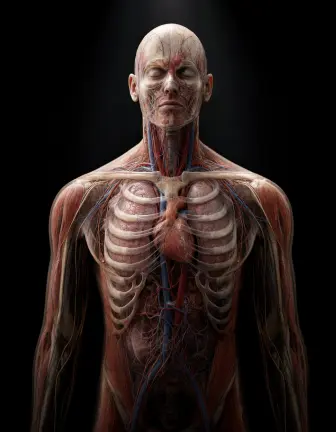 Dark Studio One lit subject on black. Best for a single organ or device on screen.
 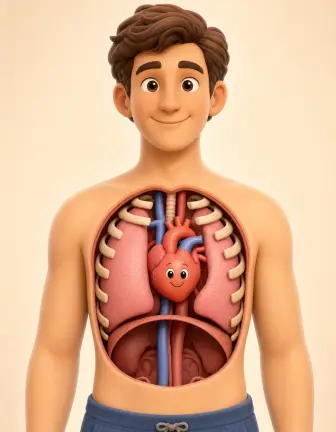 Friendly Cartoon Soft and non-clinical. Best for children, waiting rooms, and first-visit explainers.
 Anatomy is constrained, not imagined. The template holds patient-left against viewer-left, keeps organ landmarks in place, runs one-way flows in one direction, and checks the counts models get wrong: lung lobes, bronchi, fingers. It narrows the gap. It does not close it, so a qualified professional should review any video a patient will see. These videos explain. They are not medical advice.
Professional tools, zero learning curve.
One lit device against black is the standard look for device marketing. It is one of the five fixed styles, so you do not have to describe your way to it.
Show the device where it sits: a stent inside the vessel wall, a cannula under the skin, an implant against bone. An anatomy knowledge pack constrains the tissue around it.
A 30-second sales cut, a looping congress version, and a longer training walkthrough. Each is a new generation rather than a change order against a studio contract.
Binding, uptake, release, and clearance, in order. The one-way flow rules keep the sequence running in the correct direction instead of reversing between scenes.
Narration in many languages means the same mechanism explainer can be ready for every market a congress covers, without a separate localisation budget.
Export 16:9 for the booth loop and the product page, 9:16 for a rep tablet and social, and 1:1 for the feed.
Output is a draft. Regulatory and medical affairs review the claims, and any scene can be regenerated from an edited prompt instead of reopening a studio contract.
The same credits as a faceless video: images from 1 credit per scene, AI video from 5 credits per second, voice at 30 credits per minute. No per-project quote.
Medical device and mechanism of action videos are the most expensive animation a healthcare company buys. A studio quote for a single mechanism explainer usually runs into five figures and takes six to ten weeks. The result is that most devices get one video, made once, for the launch.
That is a poor fit for how the content is actually used. Sales needs a 30-second version for the tablet. Congress needs a looping version for the booth. Training needs a longer version with the steps called out. Regulatory needs a version with a claim removed. Each of those is a change order.
AITuber generates each version from a prompt. Describe the device or the mechanism, pick Dark Studio for a single lit object or a cutaway style for placement in tissue, and the platform writes the script, builds the visuals, records the narration, and syncs the captions. The anatomy around the device is constrained by a knowledge pack. Claims are your responsibility: review every script with the people who own regulatory sign-off before anything is shown.
It fits where volume and speed matter more than exact geometry. Sales cuts, congress loops, training walkthroughs, internal explainers, and every language version of all of those. These are the assets that usually never get made because each one is a change order against a studio contract.
It does not fit where the geometry has to be exact. A device animation built from your CAD model, showing your housing and your mechanism to the millimetre, is a studio job. Generated visuals are described, not modelled, so they approximate the device.
The practical split most teams land on: the studio makes the hero launch asset, and everything downstream of it gets generated. That keeps the accuracy where accuracy is the point and removes the bottleneck everywhere else.
Name the stages in order. A prompt that says "show how the drug works" produces scenes that each look plausible and do not connect. A prompt that names entry, binding, effect, and clearance produces a sequence.
State the section view. The mechanism usually happens inside something, so say whether you want a longitudinal cut through the vessel, a cross section through tissue layers, or a cellular close-up. Without it the visuals stay on the surface.
Keep claims out of the prompt. Describe what happens physically and leave efficacy language to the approved copy your regulatory team supplies. It is far easier to add an approved claim to a clean explainer than to strip an unapproved one out of a finished video.
Name the stages in order in your prompt: where the compound enters, what it binds, what changes, and how it clears. A prompt that lists stages out of order produces scenes that contradict each other.
Describe the section view you want: a longitudinal cut through the vessel, or a cross section through skin and subcutaneous tissue. Without it the render stays on the surface and the mechanism stays hidden.
Build the version with the narrowest claims, get it approved, then branch the sales and congress cuts from that description. It is much faster than getting an expansive version cut back.
Congress floors are loud and nobody stops for audio. Write the booth version so the captions and the visuals carry the whole message on their own.
A short video showing how a device works and where it sits in the body. Manufacturers use them for sales calls, congress booths, product pages, training, and clinician education.
A video showing how a drug or a therapy produces its effect: where it goes, what it binds, what changes as a result, and how it clears. Often shortened to MOA.
For a hero launch asset with a specific device CAD model and regulated claims, no. A studio still wins on exact geometry and accountability. For the versions around that asset, the sales cuts, the congress loops, the training walkthroughs, and the language versions, this replaces a lot of change orders.
No. The device is generated from your description rather than from a model file. That is the main limit compared with a studio, and it is the reason to review geometry carefully before anything ships.
Whoever owns regulatory and medical affairs sign-off. The platform generates the explanation, not the claim approval. Nothing should reach a clinician, a buyer, or a patient without that review.
Dark Studio for a single device presented on its own. Realistic 3D or Translucent Body when the device needs to be seen in place inside the body. X-Ray for implants against bone.
Yes. Narration is available in many languages, so a launch can cover its congress markets from the same description without a separate localisation project.
The same credits as any other video on the platform: images from 1 credit per scene, AI video from 5 credits per second, and voice at 30 credits per minute. There is no per-project quote and no minimum.
Six pages, one template. Each starts the create form on a different look.
New to the format? Start with how to make anatomy videos with AI.
Create videos for other popular niches
Join 86,046+ creators using AITuber to make professional ai medical device animation videos with AI.
No credit card required