3D Animated Organ Characters
AI generates detailed, dimensional renders of the heart, brain, lungs, liver, kidneys, stomach, and any other organ with character-like expressions.
Create viral videos where 3D animated organs talk, react, and explain how the human body works. AI generates everything automatically.
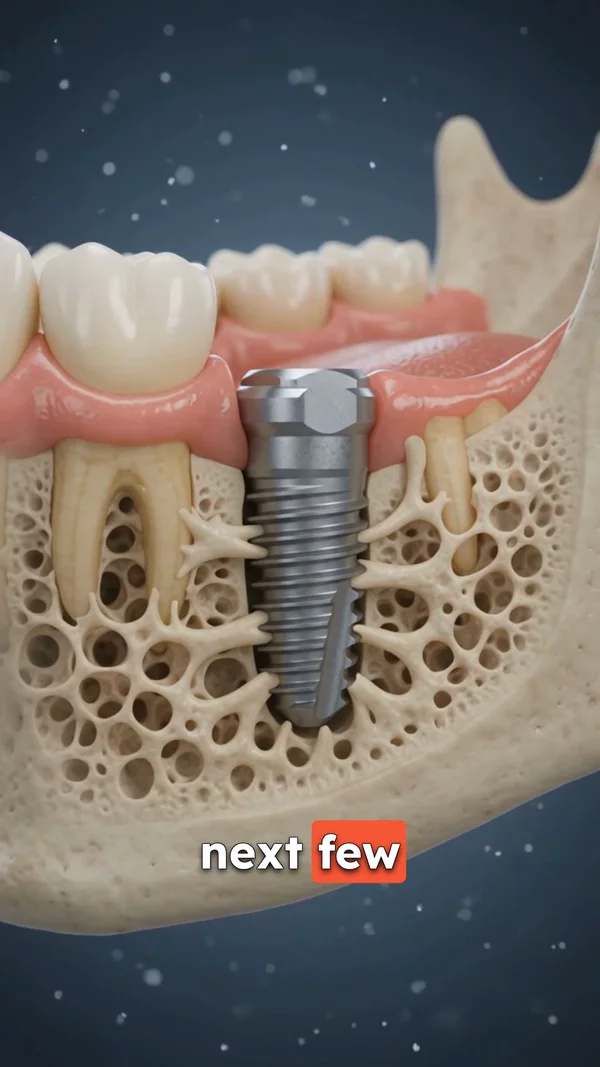
Sample video. Your result will vary based on the style, voice, and settings you choose.
Every one of these was generated from a single prompt. No camera, no editing.
No editing skills. No complex software. Just describe what you want.
Describe which organs appear and what triggers their conversation. Give each organ a personality for more engaging content.
AI creates dramatic 3D renders of each organ with character-like features. The Dramatic 3D style produces detailed, cinematic organ visuals.
Choose from 1,300+ voices. Assign different voice styles to each organ. Download in vertical or horizontal format.
The same subject in every style. Pick one and the create form opens on it. A sixth option, Auto, takes its look from your prompt.
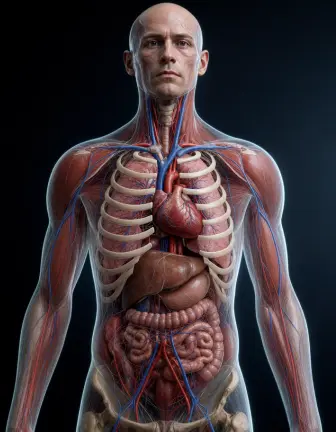 Realistic 3D The textbook render. Best for procedures and organ close-ups.
 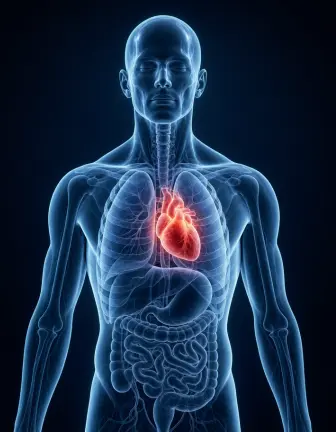 Translucent Body A see-through body with the organs glowing inside. Best for whole-body flows.
 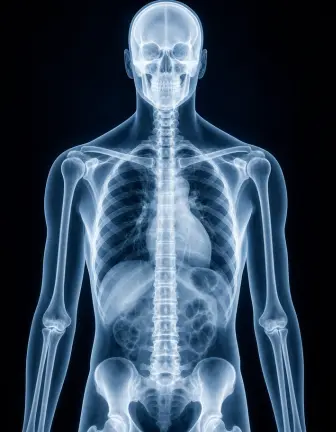 X-Ray Bone-first, high contrast. Best for joints, fractures, and skeletal motion.
 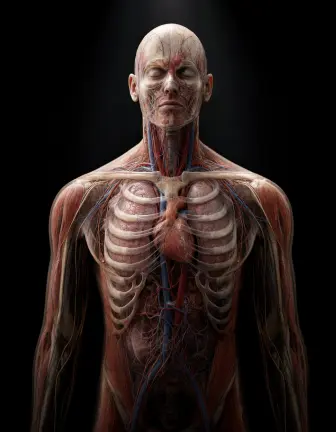 Dark Studio One lit subject on black. Best for a single organ or device on screen.
 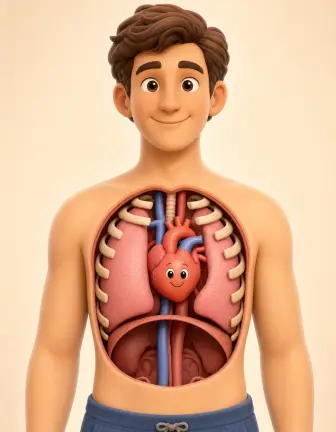 Friendly Cartoon Soft and non-clinical. Best for children, waiting rooms, and first-visit explainers.
 Anatomy is constrained, not imagined. The template holds patient-left against viewer-left, keeps organ landmarks in place, runs one-way flows in one direction, and checks the counts models get wrong: lung lobes, bronchi, fingers. It narrows the gap. It does not close it, so a qualified professional should review any video a patient will see. These videos explain. They are not medical advice.
Professional tools, zero learning curve.
AI generates detailed, dimensional renders of the heart, brain, lungs, liver, kidneys, stomach, and any other organ with character-like expressions.
Each organ gets a distinct personality. The dramatic heart, the analytical brain, the tough liver. Personality makes educational content entertaining.
Create "organs react to..." videos: junk food, exercise, sleep deprivation, stress. Reaction formats drive massive engagement.
AI generates accurate, entertaining scripts about organ function, health impacts, and body processes. Educational and shareable.
The talking organs format combines the viral 3D talking character trend with health education. Animated organs with distinct personalities explain how the body works, react to lifestyle choices, and argue with each other. This format regularly hits millions of views on YouTube Shorts and TikTok. AITuber lets you create talking organ videos instantly. Describe which organs appear and what they discuss, and AI generates 3D animated characters with voiceover and captions.
The brain and the heart are the two organs people search for most. Both work as talking characters. Both also work as a plain explainer.
For a brain animation, pick one process. Show how a memory forms, or how the brain reacts to a phone alert. One process per video keeps the story clear.
For a heart animation, follow the blood. Show it enter the right side, go to the lungs, and leave through the left side. The one-way flow is the whole lesson. For a clinical version, use the medical animation generator.
"Your organs react when you..." is one of the highest-performing hooks. Viewers click to see the reaction.
A dramatic heart, a sarcastic liver, a nerdy brain. Contrast creates comedy and makes each organ memorable.
Coffee, alcohol, sleep, exercise, stress. Content about daily habits is relatable and gets shared.
"Which organ is most important?" or "Organs argue about who works hardest" creates natural conflict and viewer engagement.
It is a tool that creates videos featuring 3D animated organs that speak, react, and explain how the body works. AI generates the visuals, scripts, voiceover, and captions automatically.
Any organ: heart, brain, lungs, liver, kidneys, stomach, intestines, pancreas, skin, eyes, and more. Describe which organs you want and AI generates 3D representations.
AI generates scripts based on widely accepted biology and physiology. For clinical or medical content, review the output for accuracy before publishing.
Body animation videos show food or substances traveling through the body. Organ animation videos feature organs as characters that talk and interact with each other. Different format, different content style.
Organs reacting to daily habits (coffee, alcohol, junk food), debates between organs, and "what happens to your organs when..." scenarios consistently get the most views.
Yes. Sign up free and get credits to create your first talking organ videos. No credit card required.
Yes. Health educators, biology teachers, and medical communicators use the talking organ format to make anatomy and physiology engaging for all ages.
Sign up free, describe which organs should talk and their scenario, select the Dramatic 3D visual style, choose voices, and click Generate. Your talking organ video will be ready in minutes.
Yes. Name the organ and the one process you want to show, such as how a memory forms or how blood moves through the heart. It works as a talking character or as a plain explainer.
Six pages, one template. Each starts the create form on a different look.
New to the format? Start with how to make anatomy videos with AI.
Create videos for other popular niches
Join 65,020+ creators using AITuber to make professional talking organs videos with AI.
No credit card required